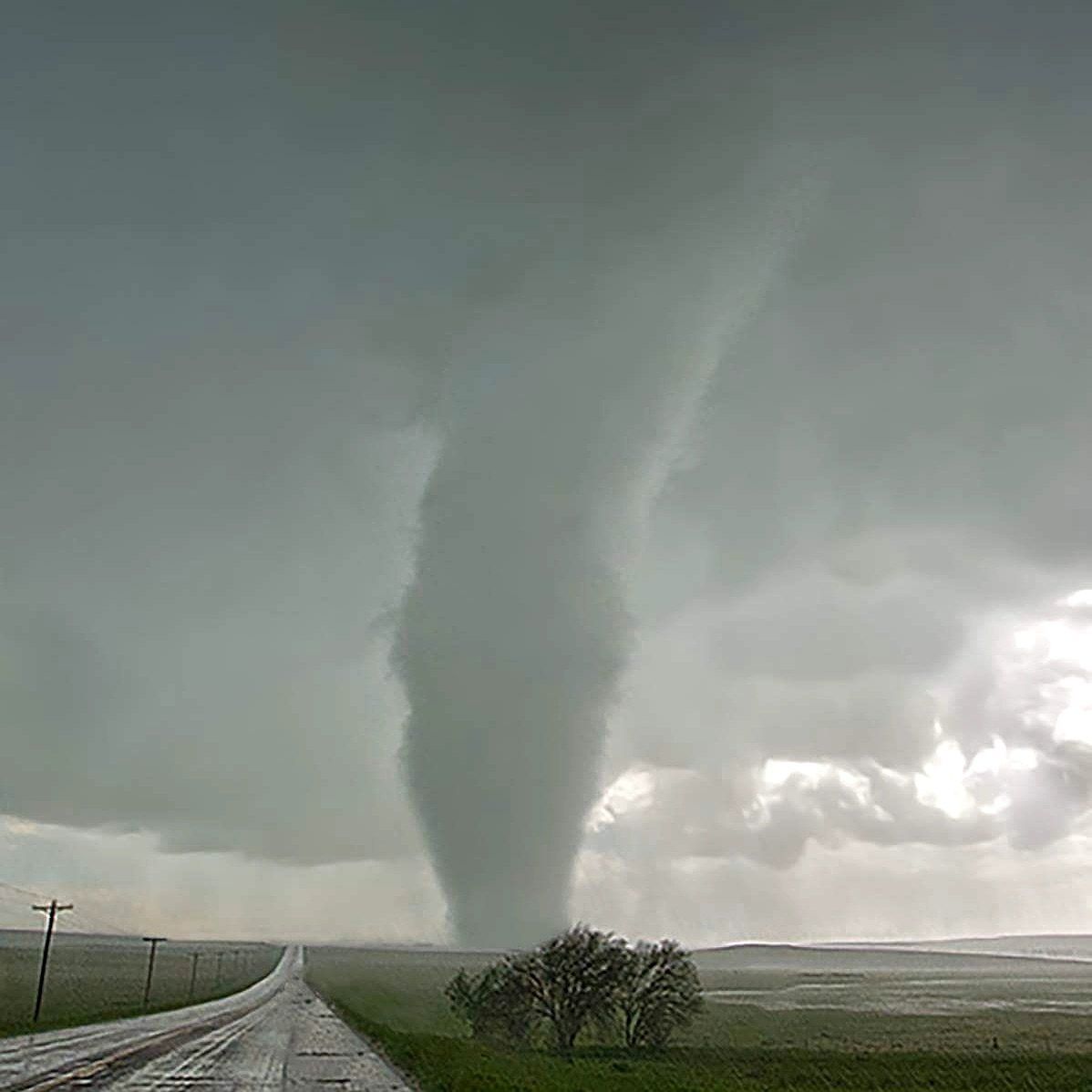
Tornado Chaser?
Tornado chasing insurance agent?
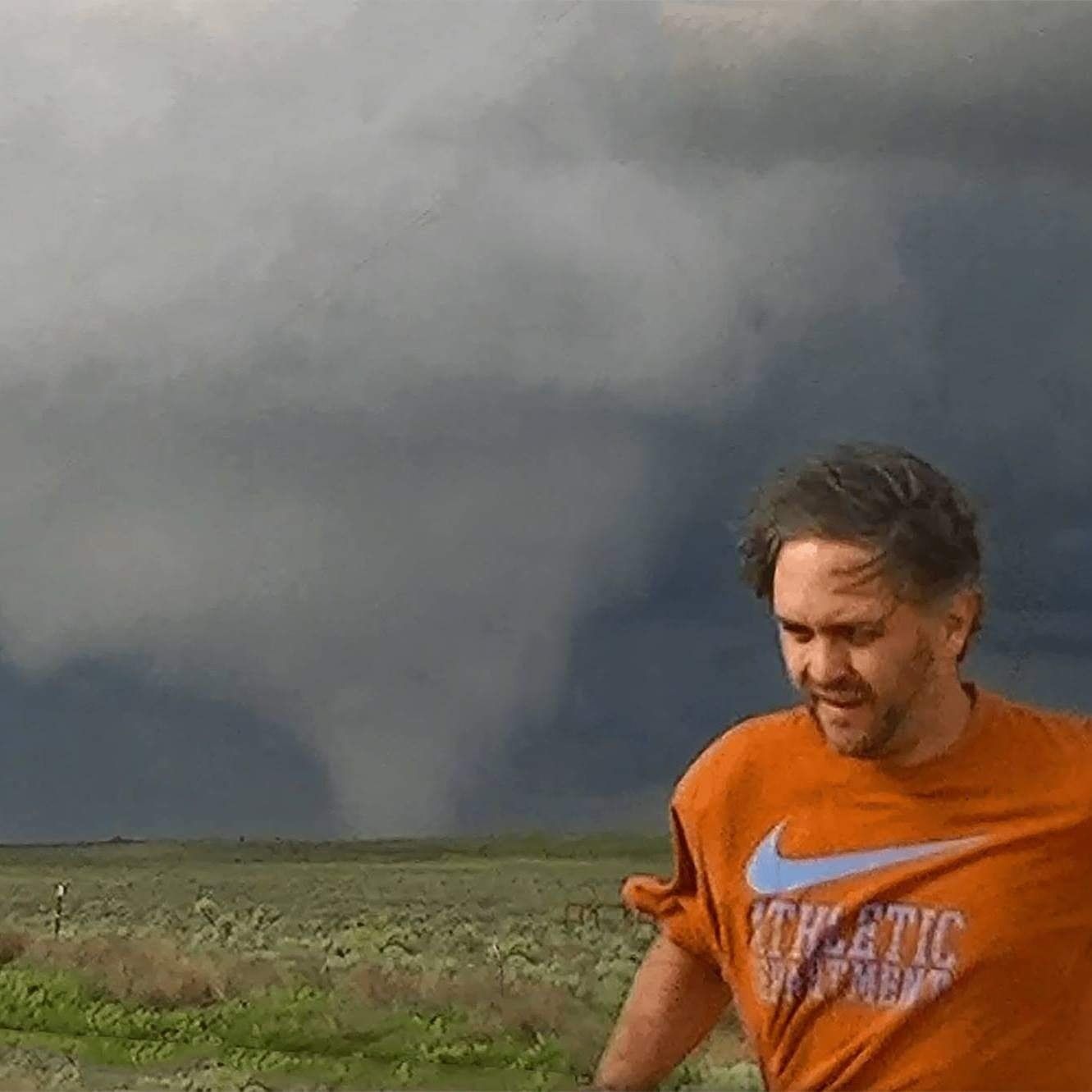
For as long as I can remember, I’ve been fascinated by storms.
Long before I became a health insurance advisor, I was the kid standing outside watching thunderstorms roll in, studying the clouds, and wondering how tornadoes formed. That curiosity turned into a lifelong passion for severe weather and storm chasing.
Today, while most people know me as The Health Insurance Guy, I also spend time each year chasing severe storms across the Great Plains — tracking supercells, photographing storm structure, and witnessing the incredible power of nature firsthand.
Storm chasing is something I’ve been doing since I was a kid, and it continues to be one of the most rewarding and humbling experiences imaginable.
From Storm-Watching Kid to Storm Chaser
Growing up, thunderstorms always grabbed my attention.
Instead of running from storms, I wanted to understand them.
I spent hours watching radar, studying weather maps, and learning how conditions come together to create severe storms. Over time, that curiosity turned into traveling across the plains to observe storms in person.
Today storm chasing is still driven by the same curiosity that started when I was young:
- Watching supercells build on the horizon
- Tracking storm rotation on radar
- Experiencing the moment when a storm organizes into something powerful
There’s nothing quite like standing under a massive rotating supercell and realizing how incredible our atmosphere really is.
The Insurance Guy Who Chases Tornadoes
While storm chasing is a passion, my profession is helping people protect their health and financial future.
For more than 24 years, I’ve helped individuals and families navigate complex insurance decisions — from health insurance and early retirement coverage to Medicare planning.
You can learn more about that side of what I do here:
In some ways, the two worlds aren’t that different.
Storm chasing and insurance both involve understanding risk, planning ahead, and preparing for the unexpected.
Where I Chase Storms
Most of my chasing takes place across Tornado Alley, including:
- Colorado
- Kansas
- Nebraska
- Oklahoma
- Texas
These regions frequently produce the type of storms that fascinate storm chasers — supercell thunderstorms.
Supercells are rotating storms capable of producing:
- Tornadoes
- Large hail
- Intense lightning
- Powerful winds
The open landscapes of the plains also provide the wide visibility needed to safely observe and photograph storm structure.
What a Storm Chase Looks Like
Storm chasing isn’t just driving toward a storm. It starts hours before storms even develop.
Forecasting
Before heading out, I study weather data including:
- Storm Prediction Center outlooks
- Wind shear and atmospheric instability
- Surface temperatures and moisture levels
- Radar and satellite imagery
Targeting
Once conditions are right, I choose a target area where storms are most likely to develop.
Sometimes that means driving hundreds of miles across the plains before the first storm even forms.
Intercepting the Storm
When storms begin to develop, the goal is to observe them safely while watching for features like:
- Wall clouds
- Mesocyclones
- Rotating cloud bases
- Rapid storm organization
When a tornado forms, it’s one of the most powerful sights in nature — both incredible and humbling.
The Beauty of Supercells
Not every chase produces a tornado. In fact, many of the most beautiful storms never produce one.
Some of the most spectacular sights include:
- Massive rotating cloud structures
- Layered supercells stretching across the sky
- Lightning-filled storm cores at sunset
- Dramatic shelf clouds rolling across the plains
For storm photographers and weather enthusiasts, these storms are unforgettable.
Storm Chasing and Respect for Nature
Storm chasing is not about recklessness or thrill-seeking.
Severe weather is unpredictable and dangerous. Responsible storm chasing means:
- Maintaining safe distances from storms
- Constantly monitoring radar and storm movement
- Avoiding populated areas during tornado warnings
- Respecting the power of the storm
Nature always deserves respect.
Why Storm Chasing Matters
Storm chasers often help document severe weather events.
Photos and video captured during storms can help meteorologists study tornado formation, storm structure, and severe weather behavior.
It also helps people better understand the incredible power of the atmosphere.
For me, storm chasing is about curiosity, respect, and a lifelong fascination that started when I was a kid watching thunderstorms from the front porch.
Follow My Storm Chases
When severe weather season arrives, you might find me somewhere on the plains watching the sky and tracking developing storms.
It’s a passion that has stayed with me my entire life.
And sometimes, on the right day, the horizon lights up with the kind of storm that reminds you just how powerful and beautiful nature can be. 🌪️
Follow me here: Tornado Chasing
Here are some of my favorite images.